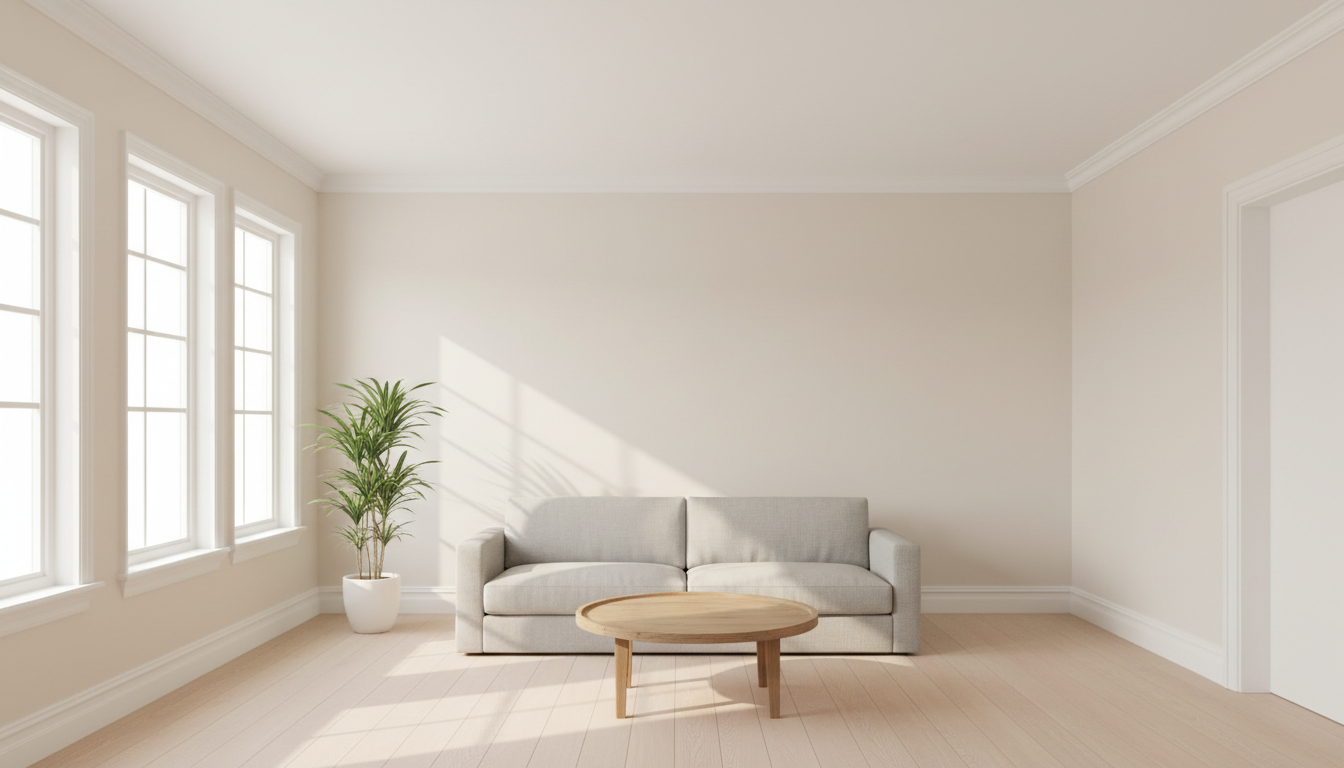
Painting interior in winter is highly effective because lower indoor humidity levels often allow paint to dry more quickly and evenly. For the best results, homeowners should maintain a consistent indoor temperature between 50°F and 85°F while ensuring proper ventilation to manage moisture and fumes.
Many Carbon County homeowners feel restricted by the freezing temperatures outside, often resigning themselves to living with scuffed baseboards or faded walls until the spring thaw arrives. This delay is unnecessary; in fact, waiting for warmer weather means missing out on the unique technical advantages that a Pennsylvania winter provides. While exterior work requires mild conditions, the interior environment during our colder months offers a level of humidity control that is nearly impossible to replicate in July. In this guide, we will examine why the winter season is actually the professional choice for interior painting. You will learn about the science of drying times in low humidity, essential strategies for proper ventilation, and how to manage your home heating system to achieve a finish that is both durable and aesthetically perfect.
Is Painting Interior Walls in Winter Advisable?
Homeowners in Price and throughout Carbon County often ask if painting interior in winter is a sound decision. The answer is a definitive yes. While it might seem counterintuitive to start a renovation project while there is snow on the ground, the winter months provide some of the most stable conditions for a high-quality finish. In fact, professional painters often prefer this season because the indoor environment is much more predictable than the fluctuating conditions of spring or summer.
The common concern regarding cold temperatures is largely irrelevant for indoor projects. Modern paint formulations are designed to cure perfectly in climate-controlled environments. As long as your home is heated to a standard living temperature, the freezing temperatures outside have no impact on how the paint bonds to your walls. In many ways, the controlled indoor environment of a Utah winter is superior to the unpredictable humidity of mid-summer.
Choosing to refresh your space now allows for clear communication and focused attention during a period when exterior work is paused. By utilizing residential and commercial painting services during the colder months, you take advantage of a uniquely stable indoor climate that promotes even drying and a durable, professional-grade result. The key is simply maintaining a consistent thermostat setting to ensure the substrate remains at a functional temperature throughout the application.
The Carbon County Advantage: Why Winter Humidity is a Painter's Best Friend
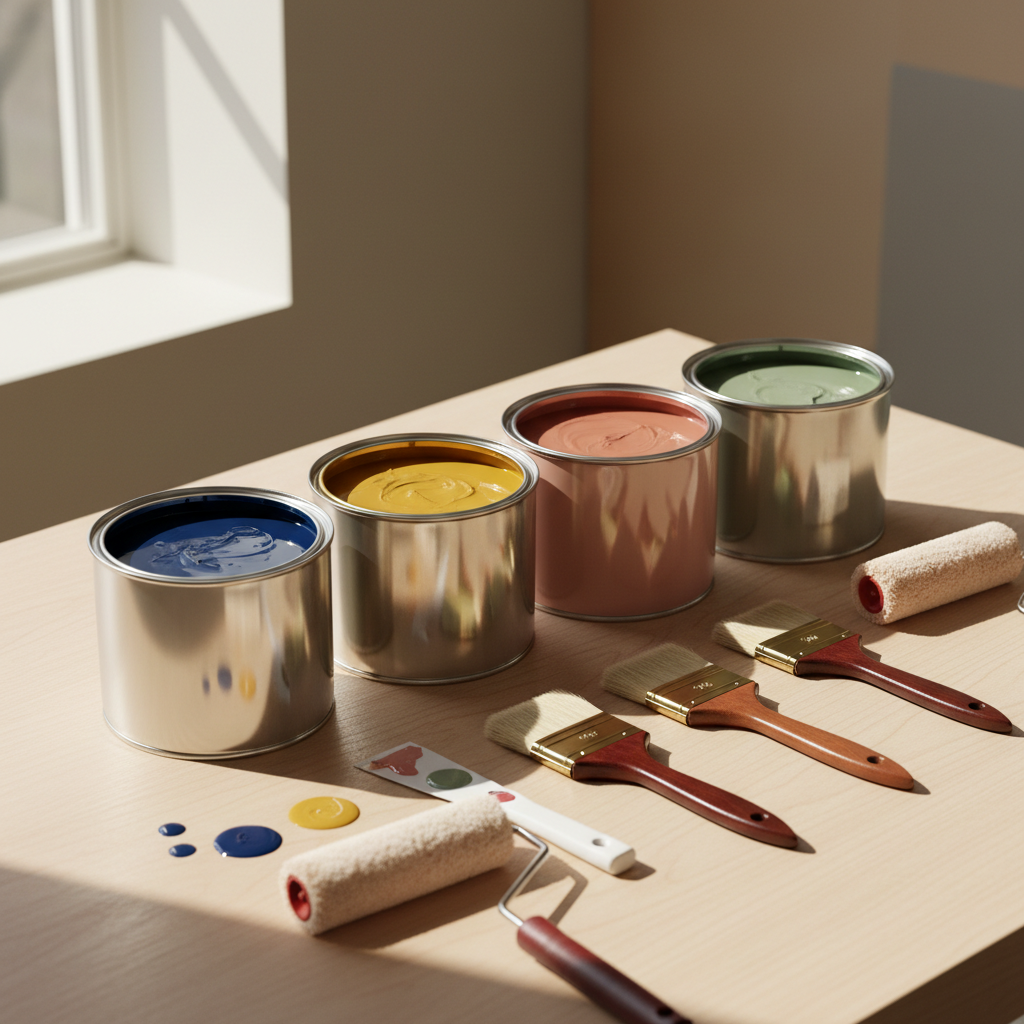
While many parts of the country struggle with damp, gray winters, Carbon County residents know our cold season is characterized by crisp, dry air. This high-desert climate provides a significant technical advantage for anyone considering painting interior in winter. In the summer, even in Utah, occasional spikes in humidity or intense heat can interfere with the evaporation process, sometimes leading to a tacky finish that takes days to fully cure. In contrast, the naturally lower humidity levels found in Price and Helper during the winter months allow moisture to leave the paint film at a steady, efficient rate.
For latex and water-based paints, this environment is ideal. These products rely on the evaporation of water to allow the resin particles to coalesce and form a continuous, durable film. When the air is dry, this process happens more reliably, which helps the paint bond more securely to the substrate. Unlike humid regions where moisture can become trapped behind the paint layer, Carbon County's dry winter air ensures that the interface between the wall and the primer remains stable.
Utilizing residential and commercial painting services during this season means your project benefits from a faster initial set time. This reduces the window of time where dust or pet hair can settle into the wet surface. By choosing to refresh your home when the outdoor air is at its driest, you are essentially utilizing Utah’s natural geography to achieve a harder, more resilient finish that stands up to years of daily wear.
Ideal Temperatures and Drying Times for Indoor Projects
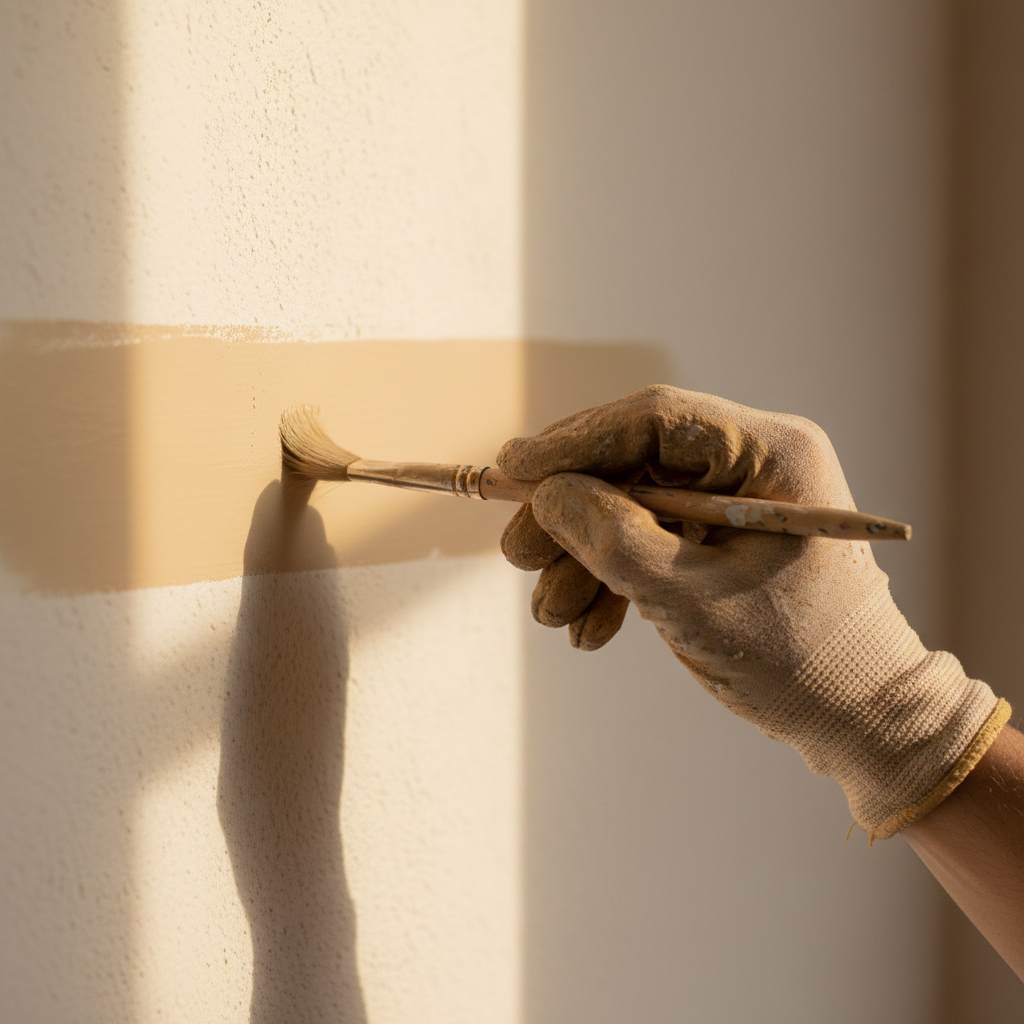
Achieving a professional finish when painting interior in winter requires adhering to specific technical benchmarks. While the dry Utah air aids evaporation, temperature stability remains the primary driver of paint chemistry. For optimal application, the indoor environment should be maintained between 50 and 85 degrees Fahrenheit. It is a common misconception that the air temperature is the only metric that matters; the walls themselves must also be within this range. If a wall is significantly colder than the room air, perhaps due to poor insulation or proximity to an unheated garage, the paint may fail to bond correctly or could even sag.
Drying schedules vary based on the specific product chemistry. In standard Carbon County winter conditions, latex paint typically requires a wait time of 4 to 6 hours between coats. In contrast, oil-based products, which are often used for trim or high-durability surfaces, require a full 24 hours to set properly before a second application.
Paint Type | Time Between Coats | Full Cure Period |
|---|---|---|
Latex / Water-Based | 4 to 6 Hours | 14 to 30 Days |
Oil-Based / Alkyd | 24 Hours | 30+ Days |
Maintaining a consistent thermostat setting is vital to these timelines. Homeowners should avoid turning the heat down at night during the project. Keeping the temperature steady for at least 48 hours after the final coat ensures the curing process completes without interruption. By following these professional residential and commercial painting services standards, you ensure the longevity and durability of your new finish.
Essential Ventilation Strategies for Winter Painting
Maintaining the correct temperature is only half the battle. Many homeowners worry that painting interior in winter means choosing between inhaling paint fumes or letting a Carbon County blizzard into the living room. However, modern professional techniques allow for effective ventilation without compromising the warmth of your home.
The most effective strategy begins with product selection. Keith Painting prioritizes the use of Low-VOC or Zero-VOC (Volatile Organic Compounds) paints for winter projects. These specialized coatings release significantly fewer odors and harmful chemicals into the air, which is crucial when windows cannot be kept wide open for long periods. Choosing these premium materials ensures that the indoor air quality remains high even when the project is in full swing.
For physical ventilation, we recommend the "slight crack" method. Instead of opening a window fully, we open it just one or two inches in the room being painted. By placing a small box fan in the room, pointed away from the freshly painted surface and toward the opening, we create a gentle vacuum that pulls stale air out while minimizing the influx of freezing Price air.
Interior fans are also essential for circulating air within the workspace. By moving air through hallways and toward larger, unoccupied areas of the home, you prevent concentrated pockets of odor from forming. This controlled approach to air movement ensures that the environment remains comfortable for the occupants while providing the necessary air exchange for a safe finish. If you have questions about the specific products we use to ensure safety, you can find more details through our residential and commercial painting services page.
Managing Moisture and Heating Systems
Managing the climate inside your Carbon County home requires a balanced approach when painting interior in winter. While keeping the furnace running is necessary to maintain the required temperature range, the specific way that heat enters the room matters. A direct blast of forced air from a floor or ceiling vent onto a wet wall causes the surface to dry too quickly. This flash drying often leads to an uneven sheen, visible lap marks, or even hairline cracking in the paint film because the outer layer sets before the underlying layer can bond.
To protect your investment, we recommend using inexpensive plastic vent deflectors to redirect air flow toward the center of the room and away from freshly coated walls. If you are using space heaters in addition to your central HVAC, place them centrally rather than pointing them toward a specific corner or wall. This promotes a uniform temperature across all substrates. Consistent, ambient warmth is the goal; sudden spikes in heat create hot spots that disrupt the curing process. Our residential and commercial painting services include monitoring these environmental factors to ensure the finish remains smooth and durable. If you have concerns about your specific heating setup, you can contact Keith Painting for professional advice before your project begins.
Preparation and Professional Techniques for a Flawless Winter Finish
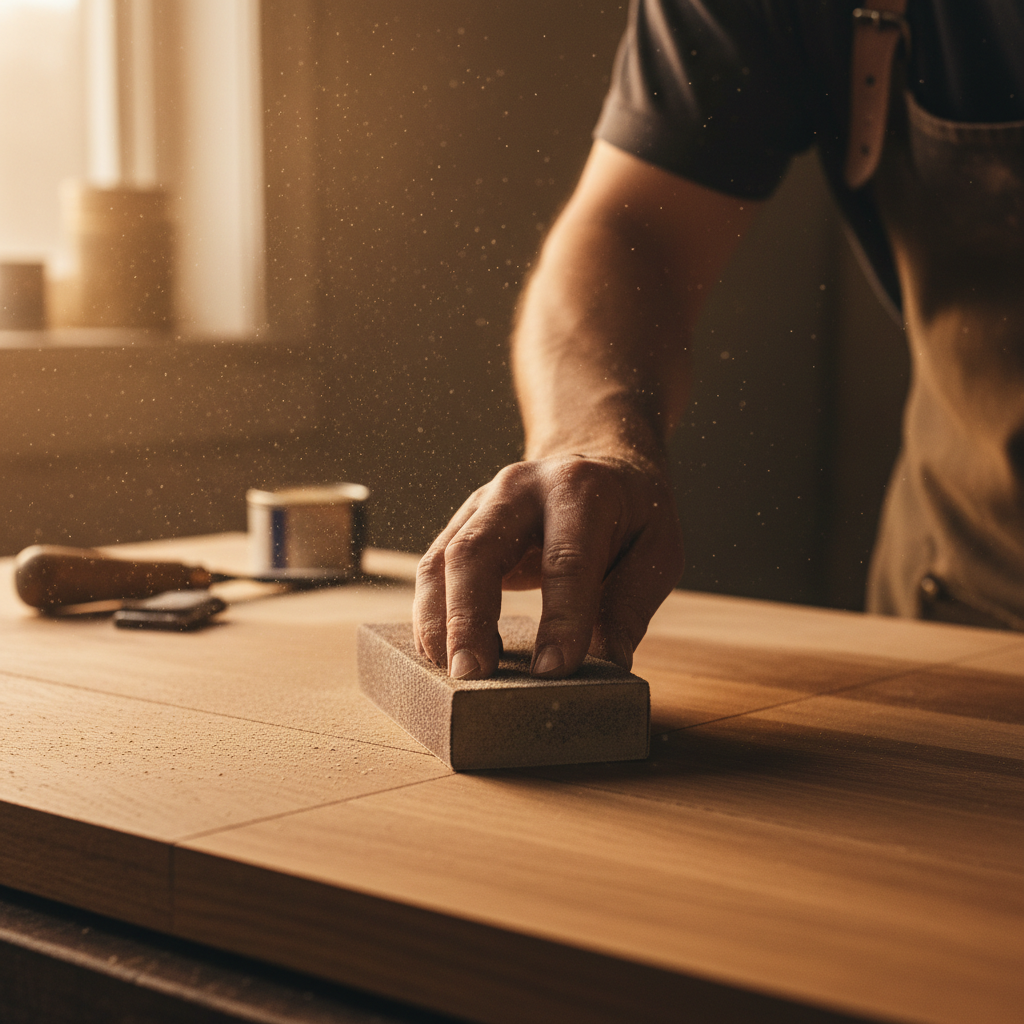
While the chemical curing process benefits from dry air, the physical preparation for painting interior in winter involves unique challenges specific to the Price area. Many homes in Carbon County utilize wood-burning stoves or fireplaces during the coldest months. These heating methods can leave behind an invisible layer of soot and oils on walls and ceilings. If these residues are not meticulously removed using a professional degreaser, the new coating will fail to bond properly, leading to premature peeling.
Our approach to residential and commercial painting services prioritizes a rigorous cleaning phase before a drop of paint is applied. We follow this with thorough mechanical sanding to create a "tooth" on the surface, which is especially important for repaints where existing finishes may have hardened over time. For new construction projects, the dry Utah climate means drywall mud and tape can be particularly thirsty. We use high-quality primers to seal the substrate, ensuring that the finish coat sits on top of the surface rather than being absorbed unevenly. This detailed preparation reflects our commitment to clear communication and professional workmanship, ensuring that every project achieves a durable, high-end result that survives long after the winter snow melts.
Why Hire Keith Painting for Your Winter Interior Refresh?

Hiring a specialized crew for painting interior in winter offers distinct logistical advantages. While spring and summer schedules often fill up months in advance with exterior projects, the winter months provide greater flexibility for your timeline. You can often secure a start date sooner and benefit from a more concentrated workflow, leading to faster turnaround times without rushing the process.
Keith Painting utilizes specific professional tools that ensure success despite the external conditions in Price or Helper. We use digital moisture meters to verify that drywall and trim are sufficiently dry before applying any product, preventing the adhesion failures that can occur if a wall has absorbed excess seasonal dampness. We also deploy commercial-grade centrifugal fans to maintain airflow in confined spaces, ensuring that even with the windows closed, air moves efficiently enough for the paint to cure properly.
Our residential and commercial painting services are built on a foundation of clear communication and professional workmanship. By choosing a local team familiar with Carbon County's unique climate, you ensure your interior refresh is handled with technical precision. To discuss your project or request a detailed estimate for the upcoming season, you can contact Keith Painting directly. Our team remains committed to delivering premium finishes that protect and enhance your space regardless of the weather outside.