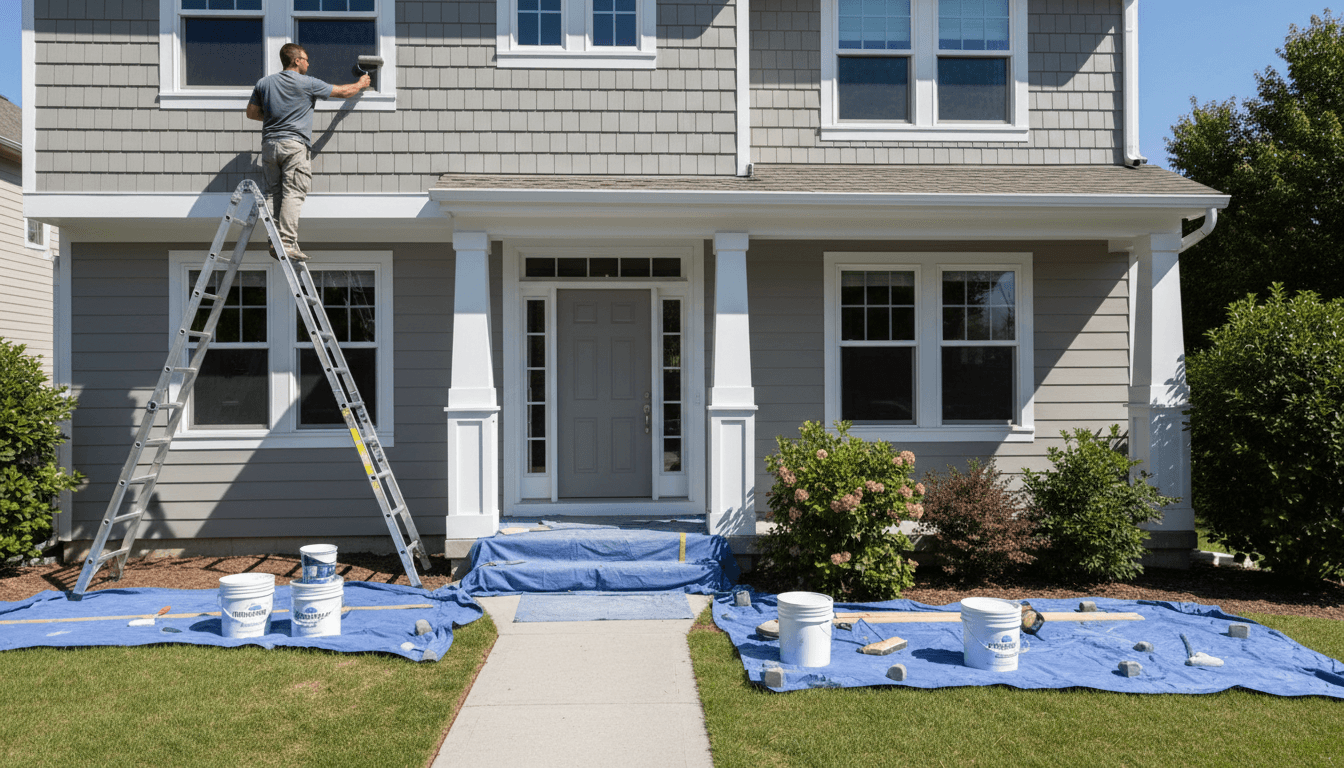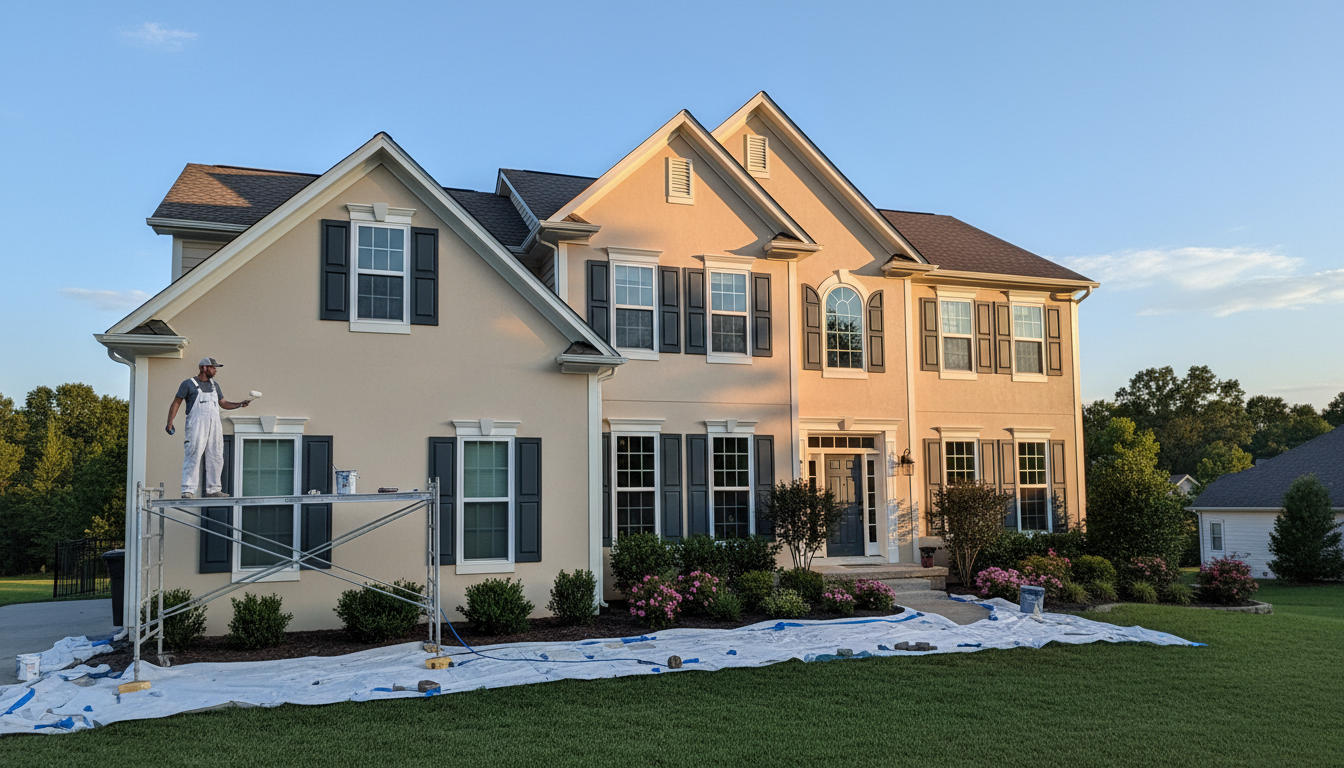
Most homes require a fresh coat every five to ten years, though how often repaint house exterior depends significantly on siding material and local weather conditions. In Carbon County, wood siding typically needs maintenance every three to seven years, while more durable surfaces like stucco and brick can often last up to fifteen years.
Most homeowners in Carbon County only notice their exterior paint once it begins to flake, peel, or expose raw siding to the elements. By that point, the damage often extends beneath the surface, leading to costly structural repairs that a proactive maintenance schedule could have prevented. In our high desert environment, your paint serves as the primary defense against intense UV radiation and extreme temperature fluctuations. Understanding the specific needs of your home’s materials is the difference between a simple refresh and a full restoration. This guide provides a definitive timeline for repainting based on your specific siding type, from high maintenance wood to durable masonry. We will also explore the unique climate factors in Utah that influence these intervals, helping you identify the subtle signs of wear before the next winter arrives.
The General Rule for Exterior Painting in the Utah High Desert
Most homeowners wonder how often repaint house exterior surfaces to maintain curb appeal and structural integrity. While the national industry average typically falls between five and ten years, this timeframe is often overly optimistic for residents in the Utah high desert. In Carbon County, from the high desert landscapes of Price to the canyon corridors of Helper, homes face environmental stressors that significantly accelerate wear.
The primary challenges here are intense UV radiation and extreme temperature fluctuations. At our elevation, the sun's rays are more direct, which causes paint resins to break down and colors to fade prematurely. When these UV levels are combined with the rapid expansion and contraction caused by our seasonal temperature swings, the paint film is under constant tension. This stress eventually leads to micro-cracking and loss of adhesion.
Ultimately, the longevity of your finish depends on the quality of the previous application and the specific type of siding on your home. Utilizing professional residential and commercial painting services ensures that the right primers and high-quality coatings are used to fight these elements. A project backed by a commitment to reliable service will always outlast a budget-driven job, but even the best paint must eventually be refreshed to prevent moisture from reaching the underlying substrate.
Exterior Painting Timeline by Siding Type
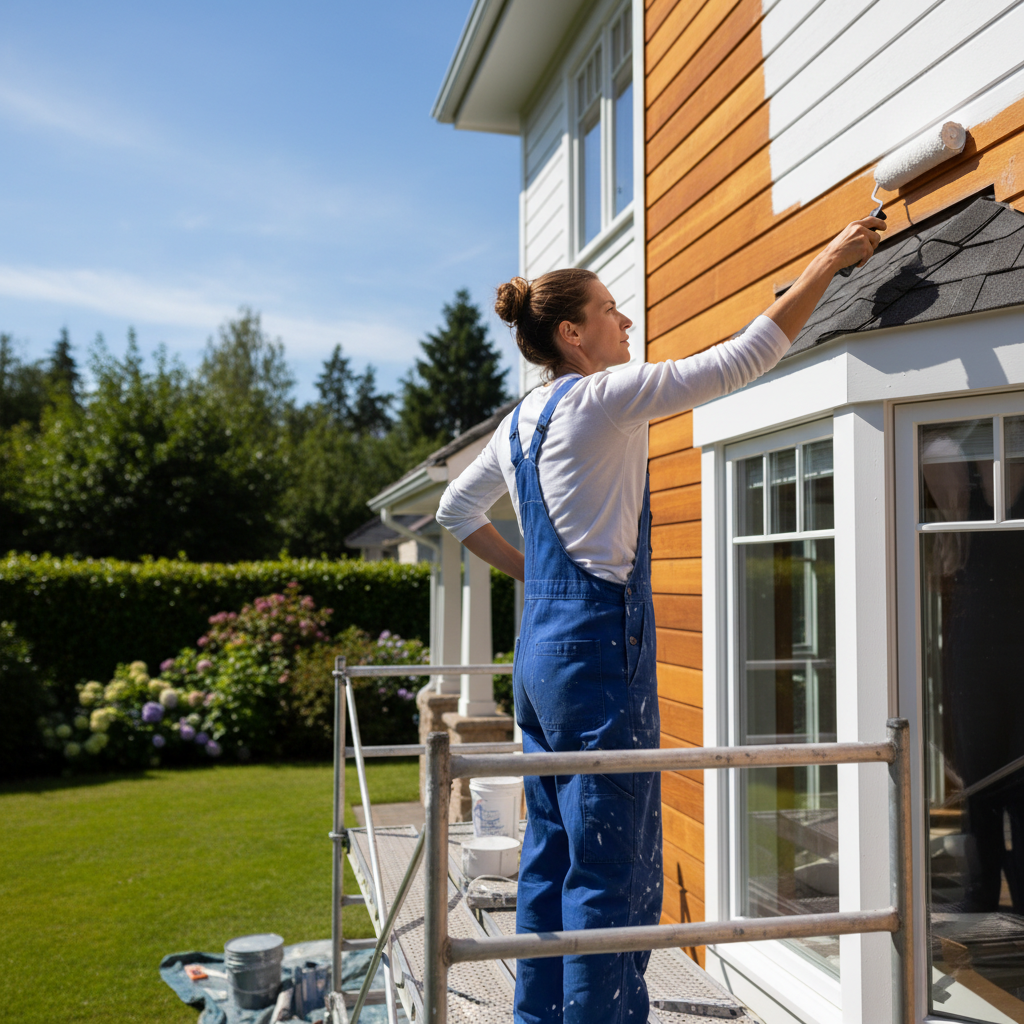
The specific material protecting your home determines the exact maintenance schedule. Carbon County’s high elevation creates a unique environment where the air is thinner and UV radiation is significantly more intense than at sea level. This means materials that might last a decade in a coastal city often require attention much sooner in Price or Helper. The thinning atmosphere allows more ultraviolet energy to reach the surface of your home, breaking down the chemical bonds in paint much faster than at lower altitudes.
Wood Siding: 3 to 7 Years Wood is the most demanding substrate in our region. Because wood is organic, it reacts to the extreme temperature shifts common in the Book Cliffs area by expanding and contracting. This constant movement puts immense stress on the paint film, eventually leading to micro-tears. In our arid climate, wood can also lose moisture and shrink, creating gaps between boards that allow water to penetrate. If you have cedar or redwood siding, you should plan to repaint or restain every three to seven years to prevent the wood from graying, bowing, or cracking.
Stucco: 5 to 10 Years Stucco is common throughout Utah, but its longevity depends on maintaining a consistent waterproof barrier. You should generally plan on how often repaint house exterior surfaces made of stucco every five to ten years. The primary concern in Carbon County is the development of hairline cracks caused by the settling of the home or the rapid freeze-thaw cycles of spring and fall. These small fractures allow moisture to seep behind the stucco, which can lead to costly delamination or structural rot. Utilizing professional residential and commercial painting services ensures these cracks are properly patched and sealed with specialized coatings before a fresh finish is applied.
Fiber Cement and Hardie Board: 10 to 15 Years Fiber cement is engineered to withstand harsh environments, making it one of the most durable options for high-altitude homes. It does not expand or contract as aggressively as natural wood, which helps the paint bond for much longer periods. You can typically expect 10 to 15 years of performance from a quality finish on Hardie board. However, the high UV index in our area will eventually cause the color to fade and the protective resins to chalk, necessitating a refresh to maintain the material's integrity.
Brick: 15+ Years While the brick itself is nearly permanent, any painted brick or the surrounding wooden trim and sealers will need attention every 15 years or more. For unpainted brick, the focus is less on the masonry and more on the specialized sealers and the painting of soffits, fascia, and window casings that protect the home's transition points.
Siding Type | Typical Repaint Interval | Key Maintenance Concern |
|---|---|---|
Wood Siding | 3 to 7 Years | Expansion, contraction, and moisture loss |
Stucco | 5 to 10 Years | Hairline cracks and waterproofing |
Fiber Cement | 10 to 15 Years | UV fading and resin breakdown |
Brick | 15+ Years | Trim maintenance and masonry sealers |
Repainting Wood Siding: The Most High Maintenance Surface
Wood remains the most temperamental substrate in our high desert climate. Unlike synthetic materials, wood is organic and highly responsive to the dramatic lack of humidity in Carbon County. As the timber loses moisture, it physically shrinks, which often results in widening gaps between boards. These openings are not just aesthetic issues; they allow moisture and pests to bypass the protective layer of the home. When the paint film can no longer bridge these shifting gaps or stretch with the wood's movement, it begins to flake and fail.
When deciding how often repaint house exterior wood, you must account for the compass. In Utah, south-facing walls endure a significantly higher solar load than northern exposures. These surfaces are bombarded by direct UV radiation that breaks down resins and pigments at an accelerated rate. Consequently, the south side of a home in Price or Helper typically requires maintenance or a full repaint two years sooner than the north side. Identifying this uneven wear early is a hallmark of the commitment to reliable service we provide, as it prevents the wood from silvering or cracking under the sun before professional residential and commercial painting services are required for a full restoration.
Maintaining Stucco and Masonry in Carbon County
Stucco serves as a rugged exterior for many homes in Price and Wellington, but its longevity relies heavily on the protective layer above it. Homeowners frequently ask how often repaint stucco house surfaces to prevent degradation. While the masonry itself is remarkably durable, it is also naturally porous. Without a high quality finish, the material absorbs moisture, which becomes a significant risk during our local freeze thaw cycles. When trapped water freezes and expands, it can cause the stucco to spall or delaminate from the lath.
To combat this, we often recommend elastomeric coatings during our professional residential and commercial painting services. These specialized coatings are significantly thicker than standard acrylics and possess unique stretch properties. As the temperature shifts in the high desert, an elastomeric film can stretch and contract, effectively sealing hairline cracks that would otherwise allow water penetration. Maintaining this waterproof barrier every five to ten years is essential. If you notice fine, spiderweb-like fractures appearing on your exterior, you should contact Keith Painting to ensure your home’s primary defense remains intact.
Carbon County Climate Factors: Why Our Timeline is Different
The climate in Carbon County is significantly more aggressive than the national average. One of the biggest factors is our elevation. In places like Price and Helper, the thinner atmosphere provides less protection against intense ultraviolet rays compared to sea-level locations. This radiation attacks the chemical binders in paint, leading to a phenomenon known as chalking. If you run your hand across your siding and find a white, powdery residue on your skin, the paint has oxidized and lost its ability to protect the substrate. This is often the first sign that it is time to consider how often repaint house exterior surfaces to prevent deep material damage.
Beyond the sun, the Book Cliffs region presents a unique challenge with its rapid freeze-thaw cycles. During the late winter and early spring, daytime temperatures often climb high enough to melt surface ice, only for that moisture to refreeze deep within microscopic cracks once the sun drops. This expansion exerts tremendous pressure on the paint film, causing it to pop, crack, and peel prematurely. Additionally, snow accumulation against the base of a home is a localized stressor often overlooked. When heavy snow sits against siding for weeks, it creates a constant moisture load that standard paints are not designed to handle indefinitely. This leads to bubbling near the ground and potential wood rot at the foundation line. Engaging professional residential and commercial painting services ensures that high-build, moisture-resistant coatings are applied to these vulnerable zones, reflecting our commitment to reliable service in this rugged high-desert landscape.
5 Signs It is Time for a Repaint Before Damage Occurs
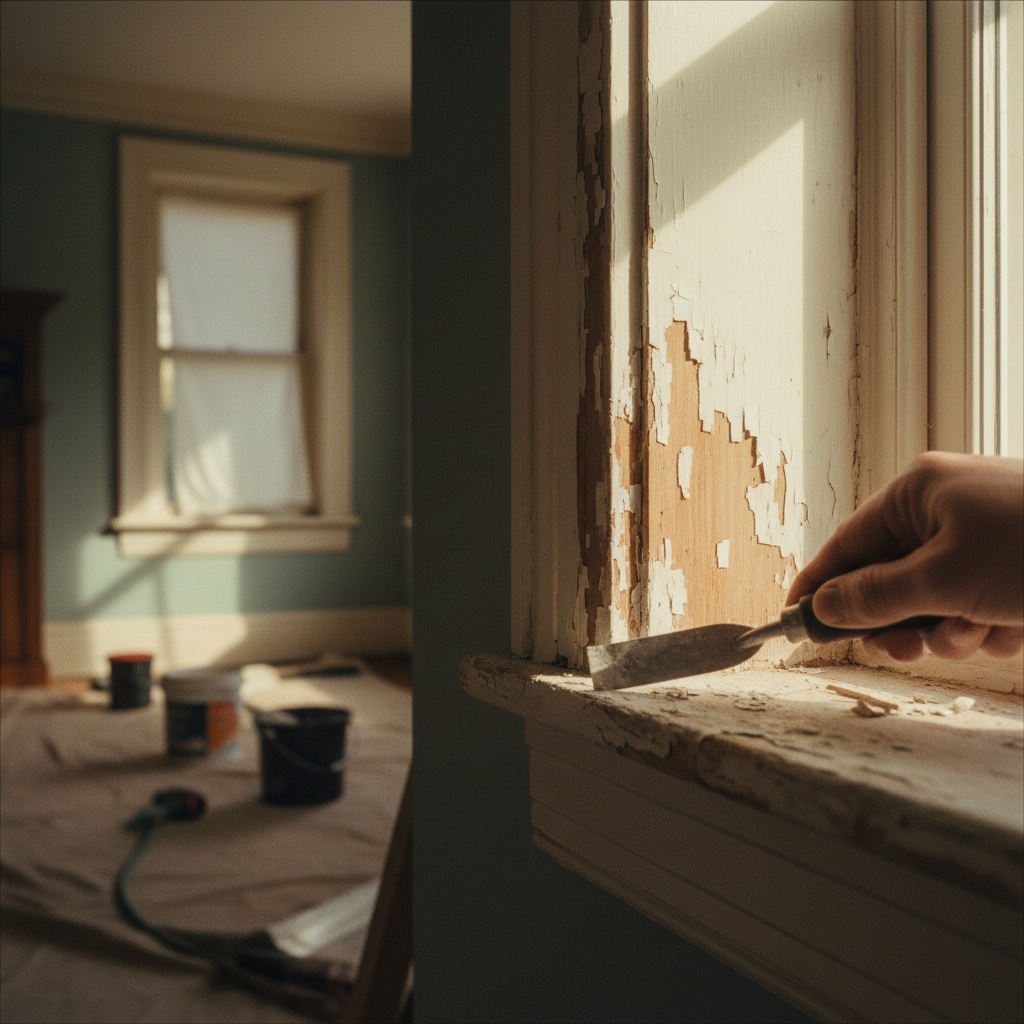
Recognizing the early warning signs of coating failure allows you to schedule maintenance before the underlying structure is compromised. In our high-altitude environment, visual cues often appear well before the paint actually begins to fall off the walls. Identifying these five signs will help you determine how often repaint house exterior surfaces to avoid the steep costs associated with intensive surface restoration.
Chalking: This is often the first indicator of UV damage. If you rub your hand against the siding and a fine white powder transfers to your skin, the paint resins have broken down. The paint is now essentially a layer of dust that can no longer effectively repel water.
Cracking or Failing Caulk: Periodically inspect the seals around windows, door frames, and where trim meets the main siding. In the dry Utah air, caulk can become brittle, shrink, and pull away from the surface. These gaps act as direct entry points for moisture during the spring thaw or heavy summer downpours.
Fading and Discoloration: High-intensity sunlight bleaches pigments, especially on south-facing walls in Price and Wellington. If your home looks significantly lighter or more dull than the original color, the protective chemical binders are likely spent.
Peeling or Bubbling: This sign indicates a total loss of adhesion. When paint bubbles, it often means moisture is trapped underneath the film. This is a critical warning sign that is frequently a precursor to wood rot or stucco delamination.
Gaps in the Wood: As organic siding loses moisture in our arid climate, it physically shrinks. Gaps between boards expose the unfinished edges of the timber to the elements, leading to further drying and eventual cracking.
Waiting until the paint is visibly peeling from every surface is a common mistake that leads to significantly higher project totals. When a home reaches that stage of neglect, the labor required for scraping, sanding, and specialty priming increases exponentially. By engaging professional residential and commercial painting services at the first sign of chalking or fading, you preserve the integrity of the substrate. This proactive approach is a core part of our commitment to reliable service, ensuring your home remains protected without the need for costly wood replacement. If you notice these signs appearing on your home, contact Keith Painting for a professional assessment of your exterior health.
The Best Conditions for Painting in Utah: Temperatures and Timing
Timing your project is as critical as the quality of the materials used. In Carbon County, the window for successful application is defined by the Goldilocks zone, where ambient temperatures remain consistently between 50 and 90 degrees Fahrenheit. This range ensures the paint film forms a durable bond with the substrate. If the air is too hot, the paint dries too rapidly, leading to brush marks and poor adhesion. Conversely, temperatures below 50 degrees prevent the latex or acrylic resins from fusing together correctly.
For homeowners in Price and Helper, late September to mid-October often provides the most stable conditions. During this period, daytime temperatures are moderate and the risk of a sudden afternoon thunderstorm is lower than in mid-summer. We strongly advise against painting during the peak of July when surface temperatures on siding can climb well above 100 degrees, causing the paint to flash-dry before it can level out.
Monitoring the overnight low is equally vital. Even if the afternoon was a perfect 70 degrees, a drop to freezing before the paint has fully cured can cause the finish to crack or peel within months. While siding type usually dictates how often repaint house exterior surfaces, applying paint in the wrong weather can cut that lifespan in half. Utilizing professional residential and commercial painting services ensures your project is timed to avoid these environmental pitfalls. This careful scheduling is a core part of our commitment to reliable service. If you are planning a refresh, contact Keith Painting to discuss the best upcoming window for your specific location.
Estimating Your Project: How Much Paint Do You Need?

Calculating material needs is a critical step in planning your budget and ensuring your home receives the proper level of protection. For a standard 2,000 square foot exterior, you should generally expect to use 15 to 20 gallons of paint for a comprehensive two-coat application. This volume covers the main body of the house, though specific architectural features or trim details can shift these numbers.
Siding texture plays a major role in paint consumption. Smooth materials, like fiber cement, allow for predictable coverage. In contrast, rough-sawn wood or heavily textured stucco common in Carbon County significantly increases the total surface area. These porous or jagged surfaces often require up to 25 percent more paint than smooth siding because the product must be worked into deep grooves and fibers to ensure a consistent seal.
Using the right amount of high quality material is essential when considering how often repaint house exterior surfaces. Skimping on the gallon count leads to a thin film that fails prematurely under our intense UV rays. Our professional residential and commercial painting services include a precise walkthrough to determine exact needs based on your home’s specific substrate. This accuracy is part of our commitment to reliable service. If you are ready for a detailed quote, contact Keith Painting to evaluate your project.