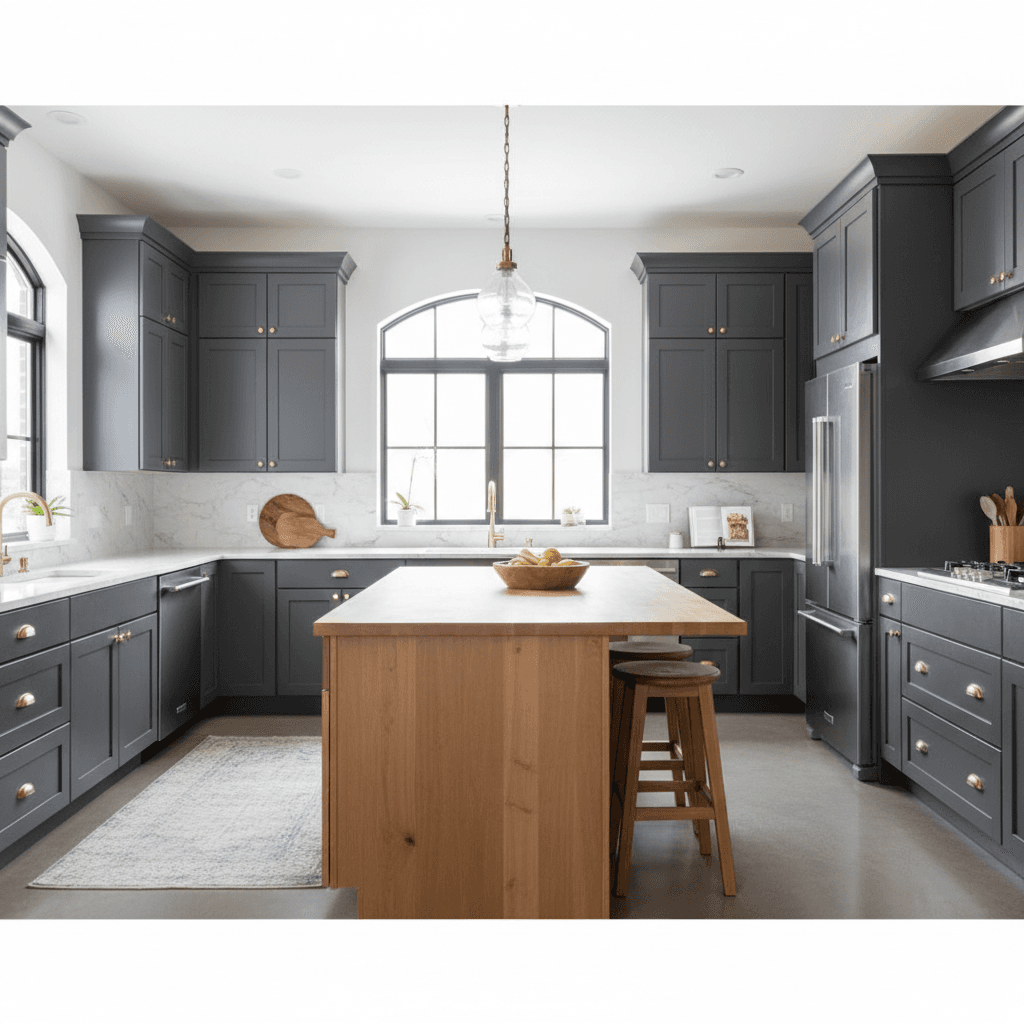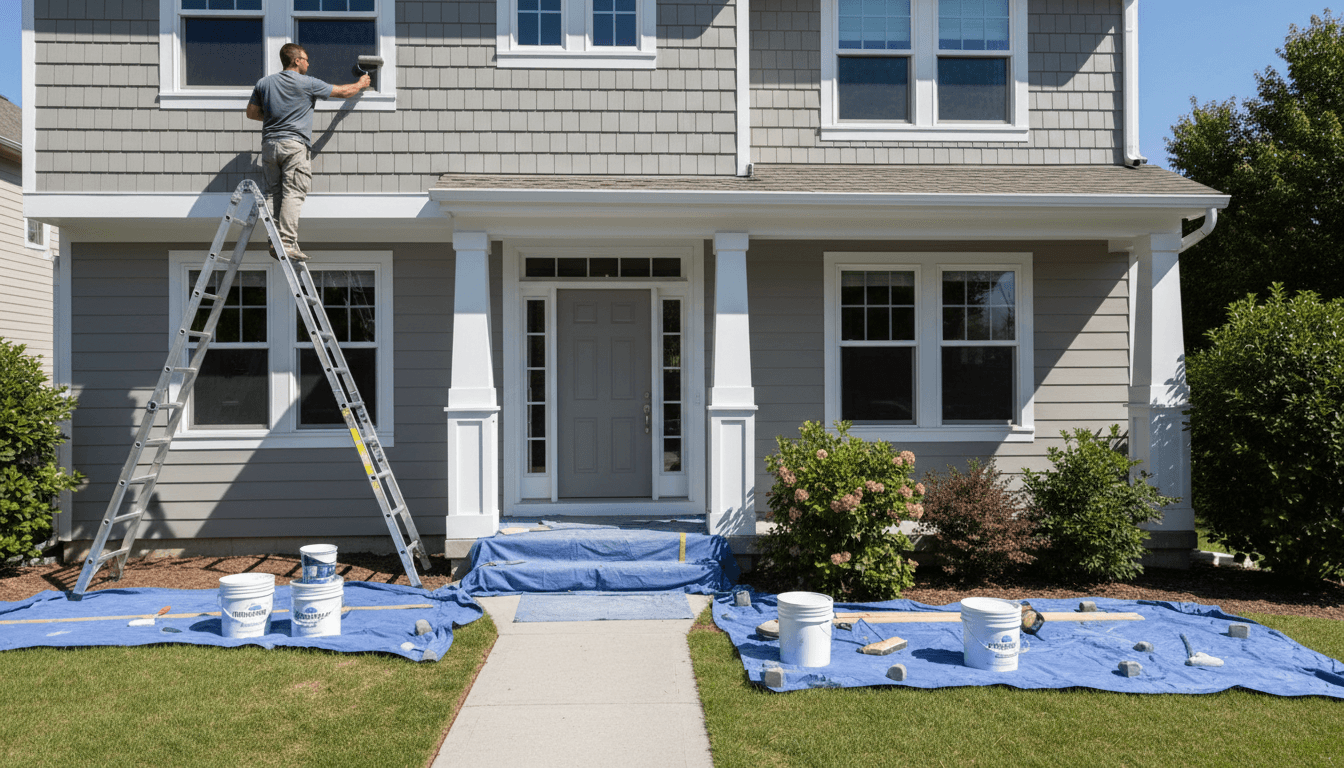
Homeowners can learn how to choose a painting contractor by verifying professional licensing, requesting proof of insurance, and checking references from local clients. A reliable professional will provide a detailed written estimate that specifies surface preparation methods, paint quality, and clear warranty terms; these steps ensure long lasting results and protection for your property.
Watching a fresh coat of paint bubble or flake just months after a project ends is a costly frustration that no homeowner should endure. In Carbon County, the investment you make in your property requires a contractor who understands our local climate and the technical nuances of high quality finishes. Selecting the wrong team often results in poor communication, liability risks, and a final product that fails to meet professional standards. To ensure your project adds genuine value to your home, you must look beyond the initial price tag. This guide outlines the essential steps for vetting local professionals, from verifying specialized insurance to analyzing the fine print of a written estimate. You will learn the specific questions to ask regarding surface preparation and how to spot the red flags that indicate a lack of craftsmanship before any work begins.
Why Choosing the Right Local Painter Matters in Carbon County
Investing in your property through residential and commercial painting services is a significant financial commitment that directly impacts the value and longevity of your building. In Carbon County, the environmental variables are unforgiving. Our high elevation, arid climate, and extreme temperature fluctuations dictate how paint adheres and cures. A generic online guide lacks the context needed for homes in Price, Helper, or Wellington, where the dry air can cause paint to flash dry prematurely, leading to brittle finishes and poor bonding.
When researching [how to choose a painting contractor], homeowners must look for experts who understand these local conditions. Selecting a contractor who rushes the process or ignores the substrate's reaction to high-altitude UV exposure often results in peeling and coating failure within just two years. This is a costly mistake that requires a full strip and repaint. Conversely, a commitment to professional workmanship and climate-specific application methods ensures your exterior remains protected for a decade or more. The difference between a temporary facelift and a long-term protective shield lies entirely in the contractor's ability to navigate Utah's unique atmospheric demands and prepare surfaces to withstand the Castle Country elements.
Verify Licenses and Insurance, The First Line of Defense
Determining how to tell if a painter is good begins before a brush ever touches a wall. While aesthetic results matter, the primary indicator of a professional operation is their legal standing within the state of Utah. Many individuals operating in the Price and Helper areas market themselves as painters under a general handyman umbrella, but professional painting projects often require specific licensing and adherence to state regulations that uncertified individuals may bypass.
You should explicitly request two documents: a current contractor license and a certificate of insurance. This insurance must include both general liability and workers’ compensation. General liability covers your property in the event of accidental damage, such as a major spill on expensive flooring or accidental breakage during an exterior wash. However, workers’ compensation is arguably more critical for your personal protection. If a crew member is injured on your property and the contractor does not carry this coverage, you as the homeowner could be held liable for medical expenses and lost wages through your own insurance policy.
Before you commit to residential and commercial painting services, verify the contractor's status on the Utah Division of Professional Licensing (DOPL) database. A legitimate professional will have a clean record and an active license status. This step separates the hobbyist from those who provide professional workmanship backed by accountability. If a contractor becomes defensive when asked for proof of these protections, it is a clear signal to look elsewhere. Protecting your financial interests is just as vital as protecting your siding from the Utah sun.
Evaluating the Detail of a Written Estimate

After confirming legal credentials, the focus shifts to the financial and operational roadmap of your project. A professional estimate should function as a transparency tool, not just a price tag. Vague, one page quotes that simply state "paint interior" or "stucco painting" leave too much room for interpretation and eventual scope creep, where the final bill unexpectedly exceeds the initial expectations because certain tasks were assumed rather than documented.
A high quality proposal breaks down the work into specific line items. It should explicitly name the paint brands and specific product lines to be used, as material quality varies significantly across different price points. It must also specify the exact number of coats applied to each surface and identify those surfaces by name. For example, a detailed bid will separate generic trim into specific components like window sills, door casings, and soffits. This level of detail ensures both parties have the same expectations for residential and commercial painting services.
Component | Vague Estimate Example | Professional Proposal Detail |
|---|---|---|
Materials | "Premium Paint" | Sherwin-Williams Emerald Exterior, Satin |
Application | "Paint trim" | Two coats on all window sills and fascia |
Prep Work | "Prep walls" | Scrape loose paint, sand edges, spot prime |
Protection | "Not specified" | Drop cloths for floors, plastic for furniture |
At Keith Painting, we prioritize clear communication during this phase to eliminate surprise charges at the end of the project. Our professional workmanship begins with a written agreement that defines the boundaries of the job. By documenting exactly what is included, we protect the homeowner from the hidden costs often associated with contractors who provide verbal-only promises or atmospheric quotes. This document becomes the standard by which the final result is measured, ensuring you receive exactly what you paid for when learning how to choose a painting contractor.
Crucial Questions to Ask About Preparation and Process

A detailed estimate provides the roadmap, but the longevity of the project depends entirely on the execution of the preparation phase. In the painting industry, the finish is only as good as the surface beneath it. When researching how to choose a painting contractor, you must prioritize questions about surface preparation, as this labor-intensive stage determines whether the coating will bond or fail under the intense Utah sun.
Ask the contractor to walk you through their specific prep sequence. For exterior projects, this should include high-pressure washing to remove chalking and debris, followed by mechanical scraping of loose paint and thorough sanding of the edges to ensure a smooth transition. Ask specifically how they handle bare wood or masonry; a craftsman knows that spot-priming with a high-quality sealer is non-negotiable before the topcoat is applied. This contrasts sharply with "production painters" who often spray directly over failing substrates to save time, a practice that leads to rapid peeling in our dry climate.
In Carbon County, many homes in Price and Helper were built before 1978, meaning they likely contain lead-based paint. You must ask how the contractor handles these older surfaces. A professional should be familiar with EPA Lead-Safe Renovation (RRP) practices to ensure dust is contained and your family is protected. Beyond the walls, ask about property protection: How will you protect my furniture, flooring, and landscaping? A reputable team providing professional workmanship will use heavy-duty drop cloths, plastic sheeting, and high-quality painter's tape rather than relying on thin, disposable plastic that tears easily.
Finally, confirm the material specifications. Ask for the exact brand and product line, such as Sherwin-Williams Emerald or Duration, rather than accepting a generic "contractor grade" paint. Higher-grade resins are essential for resisting the UV degradation common at our elevation. If you are ready to discuss these technical details for your next project, contact Keith Painting to learn more about our residential and commercial painting services and how we prioritize the substrate for every job.
Local Reputation and Social Proof in the Castle Country Area
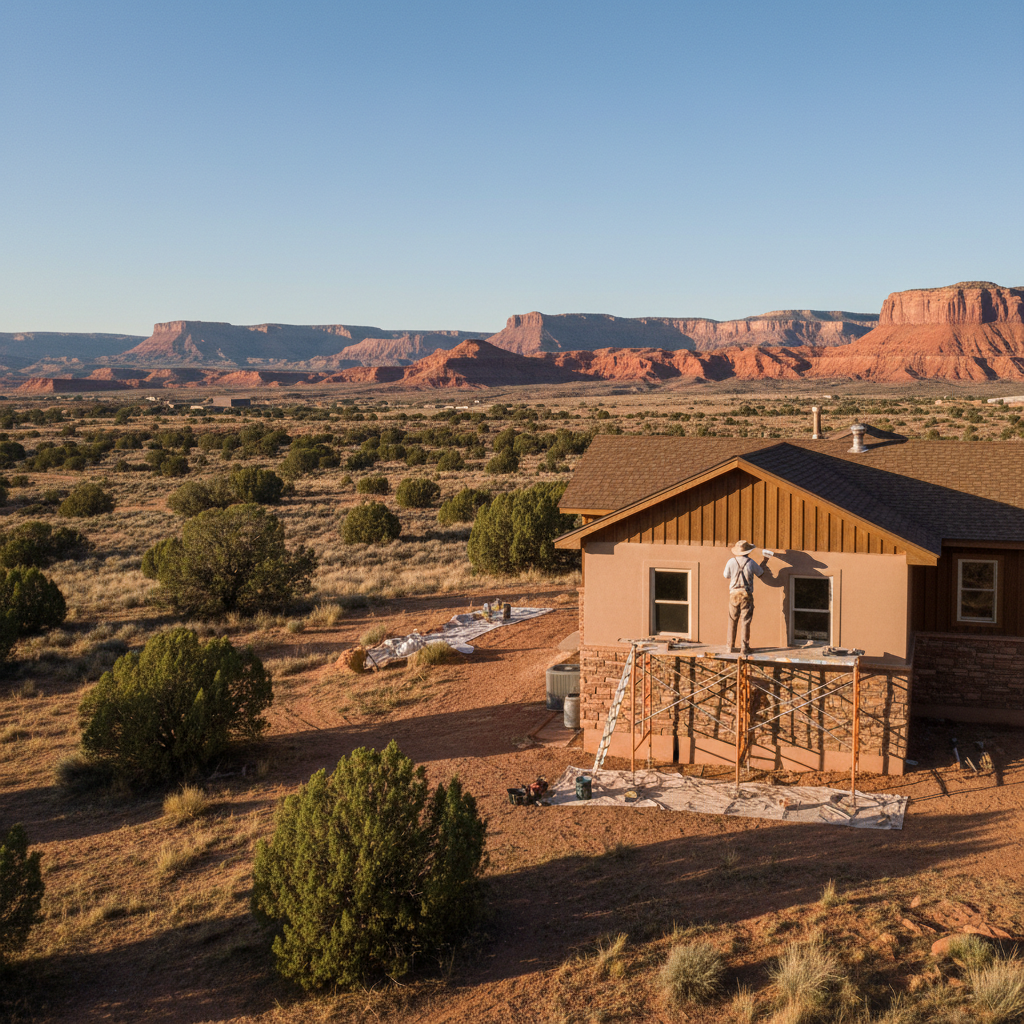
While national review platforms offer a starting point, they rarely tell the whole story in a rural environment like Castle Country. When researching how to choose a painting contractor, local word of mouth remains the most reliable metric. In Price or Wellington, a contractor’s reputation is built house by house. You should ask for a list of recent projects within your specific neighborhood. This allows you to see their professional workmanship firsthand rather than relying on a small, curated digital gallery. Seeing how an exterior finish has actually weathered a Carbon County winter provides more insight than any five star icon can offer.
When analyzing feedback, look beyond the basic star rating. Focus on specific behavioral markers mentioned by previous clients. You should look for comments regarding punctuality, daily cleanup, and communication during the project. No construction project is entirely perfect; therefore, the most valuable reviews are those that describe how a contractor handled an unexpected issue.
A reputable provider of residential and commercial painting services is defined by their accountability. In tight knit communities, a painter who disappears when a problem arises will not sustain a business for long. If you want to verify our track record with homeowners in your area, contact Keith Painting for a list of local references who can speak to our consistency and reliability.
Red Flags to Watch Out for During the Interview
Building on a verified local reputation, you must also be alert to specific behaviors during the bidding process. A primary red flag is a contractor who insists on cash-only payments or demands an upfront deposit exceeding 25 to 33 percent of the total project cost. Large deposits often signal financial instability or an intent to prioritize other jobs over yours. Furthermore, be wary of any individual who cannot provide a clear, written timeline for both the start and completion dates.
When you are learning how to choose a painting contractor, a bid that is significantly lower than others is often a warning sign rather than a bargain. These low quotes usually indicate the contractor is cutting corners on liability insurance or using low-grade paints that cannot withstand Carbon County’s high-altitude UV exposure. A technician providing true professional workmanship will always be willing to explain their preparation and application methods. If a contractor becomes defensive or vague when asked about their process, they likely lack the specialized knowledge required for durable residential and commercial painting services. For a transparent, expert approach to your property, contact Keith Painting to discuss your project requirements.
The Importance of the Final Walkthrough

A formal walkthrough is the final safeguard for your investment. This process involves a joint inspection with the contractor to ensure every detail aligns with the original proposal. When considering how to choose a painting contractor, prioritize those who include this step as a standard contractual obligation. It demonstrates that the business stands behind its professional workmanship and is committed to resolving minor issues before the crew leaves the site.
During the inspection, use a critical eye to verify the technical quality of the application. Look for crisp, straight lines where the wall meets the ceiling or trim. In Carbon County’s bright, high-altitude light, uneven coverage or thin spots in corners and recesses become glaringly obvious. Verify that the project meets these specific standards:
Straight cut-in lines at all transitions and edges.
Consistent sheen and color coverage without visible brush marks.
Complete absence of drips, spatters, or overspray on flooring and furniture.
Thorough removal of all masking materials, tape, and job-site debris.
Providing residential and commercial painting services requires a commitment to excellence until the very last brushstroke is dry. If you are looking for a team that values precision and customer satisfaction, contact Keith Painting to discuss your next project.